Creative Ways to Use Conversation Starters in Virtual Team Meetings
What if the biggest threat to your remote team’s productivity isn’t technical difficulties or time zone challenges, but the silence that fills the screen when you jump straight into agenda items?
In the distributed work landscape of 2026, virtual team building activities have become essential infrastructure rather than optional add-ons. Yet many teams still struggle to implement them effectively—either skipping connection entirely or forcing awkward interactions that make participants cringe.
The solution lies in strategic conversation starters: structured prompts that build genuine human connection without derailing your meeting agenda. Here’s how to implement them effectively across your virtual workspace.
Why Virtual Team Building Activities Matter More Than Ever
Remote and hybrid work are no longer temporary adjustments—they’re permanent fixtures. Current data shows that 82% of companies now offer remote work options, with 72% adopting permanent remote work policies. This fundamental shift has eliminated the organic "watercooler moments" that once naturally built relationships in physical offices.
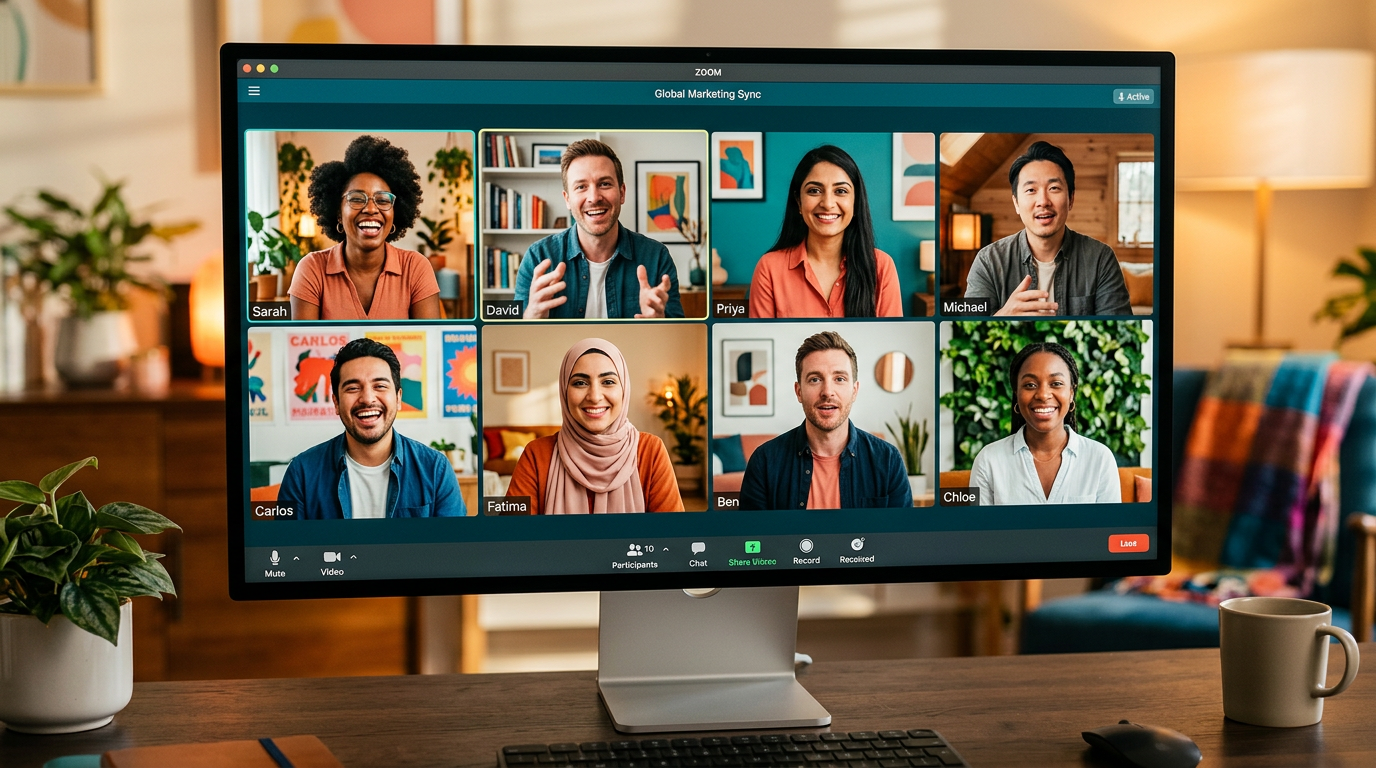
The business response has been significant. According to recent research, 51% of organizations now organize virtual team-building activities monthly, acknowledging that structured connection is essential for distributed teams. This investment reflects a broader trend: the global collaboration software market is projected to reach $24.48 billion by 2025, as companies increasingly rely on technology to facilitate human connection.
"Make an impact by picking activities that will invite genuine conversation, lighten the mood, and help team members connect." — Workleap Blog
Conversation starters serve as a low-pressure solution to the isolation problem. They provide structured pathways to build genuine relationships across distributed teams, replacing casual office interactions with intentional digital connection points. The most effective virtual team building activities combat isolation while maintaining company culture—all without the serendipitous encounters that characterized in-person workspaces.
Quick Video Call Icebreakers That Don’t Feel Forced
The key to successful video call icebreakers is brevity. Keep activities to 5 minutes or less to maintain engagement without disrupting your meeting agenda. The goal is energizing your team, not exhausting them before the real work begins.
Quick mood check-ins provide instant pulse checks on team energy. Use emoji scales ("How are you feeling today? React with the emoji that matches your energy") or numerical ratings (1-10 scale for weekend recovery). These methods allow simultaneous participation, giving everyone a voice while taking minimal time.
Food and drink questions make excellent conversation starters—but timing matters. These work best after lunch, not before, when the question "What’s your go-to comfort food?" might distract hungry team members. Examples include:
- "What’s the worst cooking experiment you’ve ever attempted?"
- "If you could only eat one cuisine for the rest of your life, what would it be?"
- "What’s your most controversial food opinion?"
Childhood and teenage memory questions create surprising personal connections and generate genuine laughter. These prompts unlock shared experiences and reveal personality dimensions that rarely surface in work discussions:
- "What was your first concert, and what does it say about your musical taste?"
- "What did you want to be when you grew up, and how does that compare to your current role?"
- "What’s the most embarrassing fashion trend you embraced in high school?"
"Begin with a light icebreaker that matches the tone and energy of the group, followed by a clear agenda to balance connection with purpose." — G2
The transition matters. End with a bridge statement: "Thanks for sharing—now let’s dive into today’s sprint review with that same energy."
Creative Slack Channel Conversation Starters for Async Teams
For distributed teams across time zones, synchronous icebreakers exclude as many people as they include. Slack and async communication channels offer an ideal solution—team members can engage on their own schedule, eliminating the pressure of real-time participation.
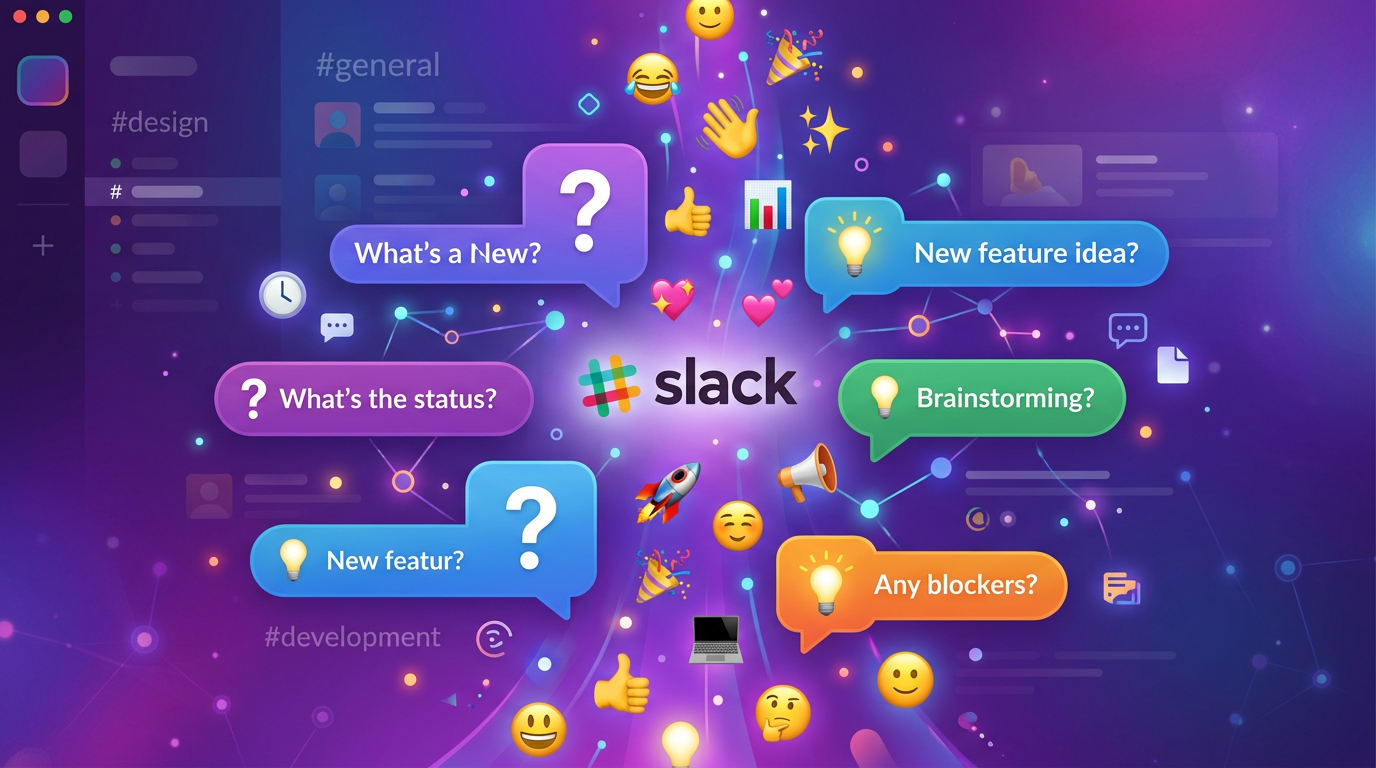
Create dedicated channels for casual conversation starters, separate from work-focused project channels. Names like #watercooler, #team-connections, or #random-questions signal that participation is optional and low-stakes.
Schedule automated prompts using tools like Donut or Slack’s workflow builder. A Monday morning "Weekend Wins" prompt or Friday afternoon "Plans for the Weekend" question creates predictable touchpoints that team members can anticipate and mentally prepare for.
‘Would you rather’ questions work particularly well in chat formats, sparking lively discussions that unfold over hours rather than minutes:
- "Would you rather always have to speak in rhymes or always have to speak in riddles?"
- "Would you rather work from a beach hut with spotty WiFi or a city apartment with perfect connectivity but no windows?"
- "Would you rather have unlimited vacation time or unlimited sick days?"
The async format allows thoughtful responses and lets quieter team members participate without the pressure of speaking up in real-time video calls. Plus, conversations can develop naturally as team members react to each other’s answers throughout the day.
Using Polls and Word Clouds for Instant Team Engagement
Interactive tools create engaging icebreaker experiences while providing immediate visual feedback. They democratize participation—everyone can contribute simultaneously, making introverted team members feel just as included as their extroverted counterparts.

Interactive polls allow you to gather quick opinions while building team camaraderie. Use tools like Slido, Mentimeter, or Polly for "this or that" questions before meetings:
- "Morning person or night owl?"
- "Coffee, tea, or neither?"
- "Beach vacation or mountain retreat?"
Word clouds create instant visual representations of collective team experiences. Pose a question like "What word describes your energy level today?" or "What’s your top priority this week?" and watch as responses build a collective snapshot. The visualization itself becomes a conversation starter—you can discuss unexpected patterns or interesting consensus in responses.
Real-time results provide material for follow-up discussion. If 80% of your team chose "mountain retreat" over "beach vacation," ask why. If the word cloud shows heavy emphasis on "deadline" and "pressure," acknowledge the collective stress and frame it as shared challenge.
Multiple choice questions lower participation barriers compared to open-ended prompts. Team members can click a response without the pressure of generating thoughtful answers on the spot—particularly valuable in larger groups where speaking time is limited.
Themed Question Packs for Different Meeting Types
Matching conversation starters to meeting context maximizes relevance and impact. A creative question works beautifully for a brainstorming session but might feel jarring in a crisis management meeting.
For brainstorming sessions, use creative questions that unlock innovative thinking:
- "If you had a superpower that could solve our current challenge, what would it be?"
- "What’s the wildest solution you can imagine for this problem?"
- "If our competitor solved this first, what would they do that we wouldn’t expect?"
For retrospectives and reflective meetings, focus on learning and growth:
- "What’s one thing you learned this week that surprised you?"
- "What’s a skill you’ve developed recently that you’re proud of?"
- "If you could replay one moment from this project, what would you do differently?"
Team building questions focused on hobbies and personal interests help team members discover common ground outside of work tasks:
- "What hobby have you been meaning to start but haven’t yet?"
- "What’s a book, movie, or podcast that changed your perspective recently?"
- "If money were no object, what would you dedicate your time to?"
Use different themed question packs to prevent repetition fatigue. Rotate between topics like travel aspirations, career goals, favorite traditions, or dream projects. Seasonal questions tied to holidays or company milestones add timely relevance—summer vacation plans in July, gratitude themes in November, goal-setting in January.
How to Avoid the Awkward: Best Practices for Natural Flow
The fear of forced, cringe-worthy interactions prevents many teams from implementing conversation starters at all. Yet expert guidelines reveal that awkwardness stems from implementation, not the concept itself.
"Encourage participation, not pressure: The best icebreaker games make everyone feel included without forcing." — Culture Monkey
Frame icebreakers as opportunities, not requirements. Introduce them organically: "Let’s take five minutes to connect as humans before we dive into the spreadsheet" signals that the activity serves a purpose beyond filling time.
"Introduce icebreakers organically by framing them as opportunities for team building and relationship building rather than mandatory activities." — Confetti
Rotate ownership of icebreakers to keep activities fresh and increase team investment.
"Rotating ownership keeps the activity fresh and shared. Shared ownership increases investment." — Mockflow
When different team members choose and lead conversation starters, activities reflect diverse perspectives rather than one person’s idea of what’s fun. Plus, it distributes the preparation burden.
Read your virtual room. If energy is noticeably low or a crisis is unfolding, it’s okay to skip the icebreaker. You can simply acknowledge the pressure: "Given everything happening this week, let’s skip the conversation starter and jump straight to business."
Allow people to pass or observe if they’re having a rough day. Genuine connection can’t be forced. A simple "No pressure to share—listening is participation too" creates psychological safety that often increases engagement over time.
Tools and Apps That Make Virtual Icebreakers Effortless
The logistical burden of creating fresh conversation starters for every meeting causes many teams to abandon the practice entirely. Technology solutions eliminate this friction, making consistent implementation sustainable.
Conversation starter apps provide curated question packs, removing the need to brainstorm new prompts constantly. Platforms like Convo Cards offer themed question packs for team building, accessible on any device without requiring app downloads or complex setup. This platform-agnostic approach means team members can participate from phones, tablets, or desktops—whatever device they’re already using.
Features like progress tracking and favorites help facilitators build a rotating library of successful icebreakers. When you discover questions that generate particularly engaging responses, save them for reuse. Track which questions fell flat so you don’t repeat mistakes.
Integration with collaboration platforms removes setup time. Google sign-in eliminates account creation barriers, while Slack and Microsoft Teams integrations allow you to share conversation prompts directly in existing workflows. The less friction involved, the more likely you are to maintain consistency.
Digital question packs are easily updated with fresh content, unlike static physical card decks or aging PDF lists. Regular content updates keep activities feeling novel rather than repetitive—particularly valuable for teams who meet frequently.
The right tool should feel invisible: conversation starters appear when needed, team members participate seamlessly, and you focus on connection rather than logistics.
Building a Sustainable Icebreaker Culture That Actually Works
The difference between effective virtual team building activities and time-wasting gimmicks is consistency. One-off icebreakers feel forced; predictable rituals become valued team traditions.
Start with frequency that works for your team. Weekly might work for some teams; bi-weekly or monthly works better for others. If daily icebreakers feel like a chore, scale back. Better to have meaningful monthly connections than perfunctory daily ones.
Schedule icebreakers at consistent times so team members know to expect them. A Wednesday morning "Midweek Mood Check" or Friday afternoon "Weekend Warm-up" creates anticipation and allows mental preparation.
Gather feedback on what resonates. After implementing new conversation starters for a few weeks, ask the team: "Which questions have you enjoyed most? Which should we skip next time?" Refine your approach based on actual preferences rather than assumptions.
Celebrate the moments when icebreakers lead to genuine connection. When a childhood memory question reveals that two team members attended the same high school, or when a would-you-rather debate becomes an ongoing inside joke, acknowledge these connections. They’re evidence that the activity is working.
Track participation without pressure. Monitor whether engagement is increasing over time, but prioritize quality of interaction over quantity of responses. A deeply meaningful discussion among five team members is more valuable than perfunctory one-word answers from twenty.
Measuring the Impact of Your Virtual Team Building Activities
How do you know whether conversation starters are achieving their intended goals? The answer lies in both quantitative metrics and qualitative observations.
Monitor team engagement in meetings. Are more people speaking up after consistent icebreaker implementation? Do quieter team members begin contributing more readily? Increased participation often correlates with greater psychological safety built through regular connection activities.
Track organic conversation in async channels. Are team members starting conversations outside of scheduled prompts? When a weekend check-in leads to an impromptu discussion about shared hobbies, or when a food question generates a lunch recommendation thread, your icebreakers are catalyzing ongoing connection.
Watch for increased cross-functional collaboration. As team members build personal connections through conversation starters, they’re more likely to reach across departmental boundaries for collaboration. A developer might feel more comfortable asking a designer for feedback after learning they share an interest in photography.
Use pulse surveys to measure connection. Simple quarterly questions—"How connected do you feel to your colleagues?" or "How well do you know your teammates outside work tasks?"—can track changes over time. Correlate these responses with your icebreaker consistency to gauge impact.
Observe meeting energy levels. Do teams transition more smoothly into work discussions after brief connection activities? When virtual team building activities work, you should notice less dead air, more spontaneous laughter, and easier transitions between topics.
The Bottom Line
Effective virtual team building activities aren’t about elaborate games or forced fun—they’re about creating structured opportunities for human connection in an environment that naturally resists it. Conversation starters provide the minimal viable scaffolding for relationships to develop, one question at a time.
The data is clear: distributed work is here to stay, and teams that prioritize connection will outperform those who don’t. The question isn’t whether you have time for icebreakers in your virtual meetings—it’s whether you can afford to skip them.
Start small. Pick one technique from this guide. Implement it consistently. Watch what happens when your team stops being colleagues who happen to work together and becomes humans who happen to collaborate.
Leave a Reply